~ / Towards A Screenless Canon 5D mark II
November 17, 2026
I am one of the key audiences for a Leica M10-D and M11-D. If you're unsure what that is, it is a digital Leica M body with no back screen. Essentially, it enforces a digital camera experience where one is forced to visualise the final image instead of relying on the screen, emulating a photography experience of the film era. Currently there are only really two kinds of cameras like this; the afromentioned Leica M-D or the terrible Camp Snap cameras or equivalents (which are basically portable webcams and are destined straight to landfill). For the same budget as a Camp Snap you could buy an old Canon DSLR!
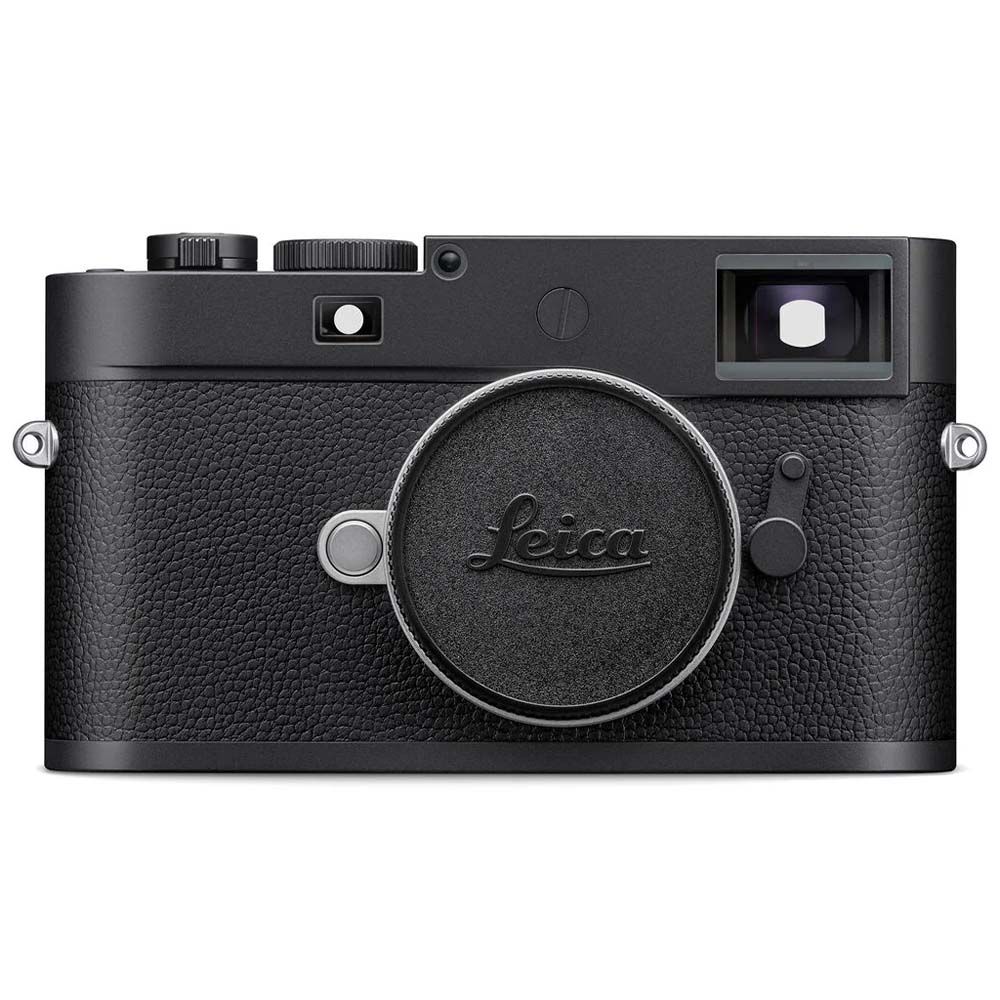
M11-D
$17,300 AUD
Experience a pure, analog-style shooting experience with a 60MP triple-resolution sensor and no rear LCD screen.
View on Leica StoreWhy is this desirable?
Some of the heuristic of taking photos is lost in using a modern digital camera. I think that philosophically, delaying gratification of viewing the image is incredibly desirable. It allows us to stay in the moment and stay focused on the next image, rather than being constantly bombarded with our previous images. In the process of taking an image, the previous images don't matter, only the next one does. We will use technology to use less technology. Friction maxxing, so to speak.
Ever since I did this I simply have not been able to put the damn camera down. A screenless digital camera it turns out, is incredibly addictive much like their analog film counterparts. If it makes the camera more enjoyable I think it is a no brainer. For street photography and daily carry this simple change has been life changing for me.
How?
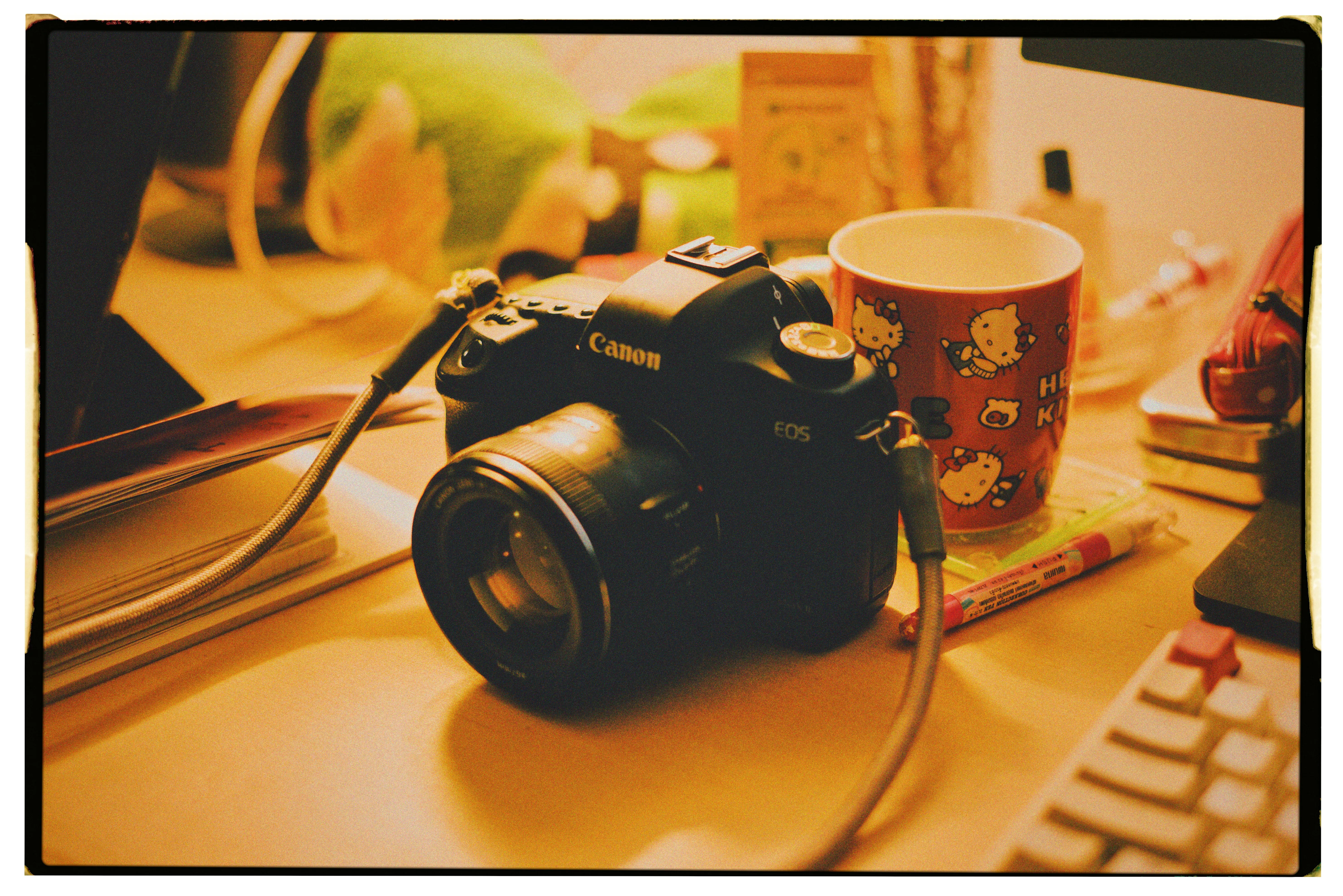
I want to be able to take full frame "serious" digital photos with the same philosophy. Recently, I came to acquire a 5D mark II. One thing I knew was available before buying it was the camera's compatibility with Magic Lantern. Magic Lantern has the ability to run custom LUA scripts, so it's possible to have a "sink" that absorbs certain key presses. This makes it possible to have a completely screenless Canon DSLR experience.
For Magic Lantern cameras, achieving this does not actually require AI. As it is, the Canon EOS cameras have a lineage from the 80s and share a design language with film cameras. It is already possible to shoot the camera without the screen. We are just enforcing it.
Prerequisites
Turning off image review is one requirement; I, for one, shoot raw, so I make sure all my settings are mostly correct beforehand. We need to install Magic Lantern on our CF card and update the firmware on the camera. Once Magic Lantern is enabled, we want to enable the scripting modules. We then want to copy the script below to its appropriate folder in ML/Scripts.
EOS_DIGITAL/ML/scripts/lockbtns.lua

-- quick enable and disable of the lock buttons script
-- change local enable to false to return camera to normal oepration
local ENABLED = true

event.keypress = function(key)
    if not ENABLED then
        return true
    end
    if key == KEY.MENU
    or key == KEY.INFO
    or key == KEY.PICSTYLE
    or key == KEY.PLAY
    or key == KEY.TRASH
    or key == KEY.LV
    or key == KEY.SET
    or key == KEY.JOY_CENTER
    then
        return false
    end
    return true
end
Once we run the script, the menus will be completely unreachable unless you reboot the camera without the memory card inserted. Quick menu and Liveview are also disabled in this config. My script is naturally very purist, but you can enable or disable certain buttons to your liking. If you wanted the menu to still work, you could do that; some may find disabling KEY.PLAY to be enough, as it entirely disables image review. As it is currently configured here, it makes the 5D mark II a completely screenless camera.
If you ever need to convert a setup back to normal simply change local ENABLED = false on a computer.
Will this work on XX camera?
Theoretically, yes, on any Magic Lantern compatible camera. Because of this, I've actually become interested in their APS-C models, particularly the smallest, the 100D or 200D, which paired with the 24mm EF-S would make a very interesting setup indeed.
Could this idea be expanded to different brands and cameras? With the advent of reverse engineering, certainly. In fact, I predict many more people will choose to do something like this, and that more people will attempt this on other cameras. Perhaps, more than just reverse engineering, some sort of camera-brand-independent way of scripting will emerge from the AI revolution.